Overlay vs. Inset Cabinets: Which Is Best for Your Kitchen?
Crew Collective Design — San Diego Interior Designer | Kitchen Design & Virtual Interior Design Nationwide
When you’re planning a kitchen renovation, cabinetry is one of the most important decisions you’ll make—both visually and financially. Kitchen cabinets define the overall aesthetic of the space while influencing storage, daily functionality, and long-term home value. Whether you’re working with a full-service interior designer or opting for virtual kitchen design services, selecting the right cabinet style sets the foundation for a successful remodel.
One of the most common questions I hear from clients is:
“What’s the difference between overlay and inset cabinets—and which one is best for my kitchen?”
Overlay cabinetry is often underestimated, while inset cabinetry is frequently seen as the default “luxury” option in high-end kitchen design. In reality, both cabinet styles are timeless when designed intentionally and aligned with your lifestyle, architecture, and renovation goals. Below, I’ll walk you through the pros, cons, and design considerations of overlay vs. inset cabinets so you can make an informed decision for your kitchen remodel or virtual interior design project.
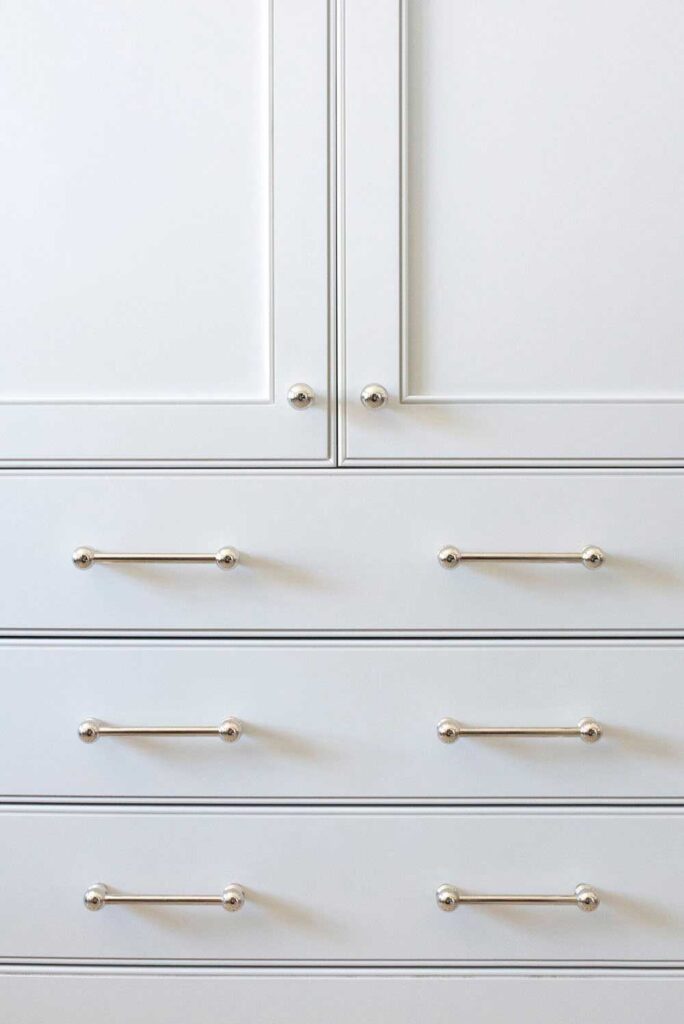
What Is Overlay Cabinetry?
Overlay cabinetry refers to cabinet doors and drawer fronts that sit on top of the cabinet frame rather than inside it. This is one of the most common cabinet styles used in modern kitchen design, transitional kitchens, and organic modern interiors. Overlay cabinets are versatile, widely available, and adaptable to many aesthetics.
There are three primary types of overlay kitchen cabinets commonly used in residential interior design.
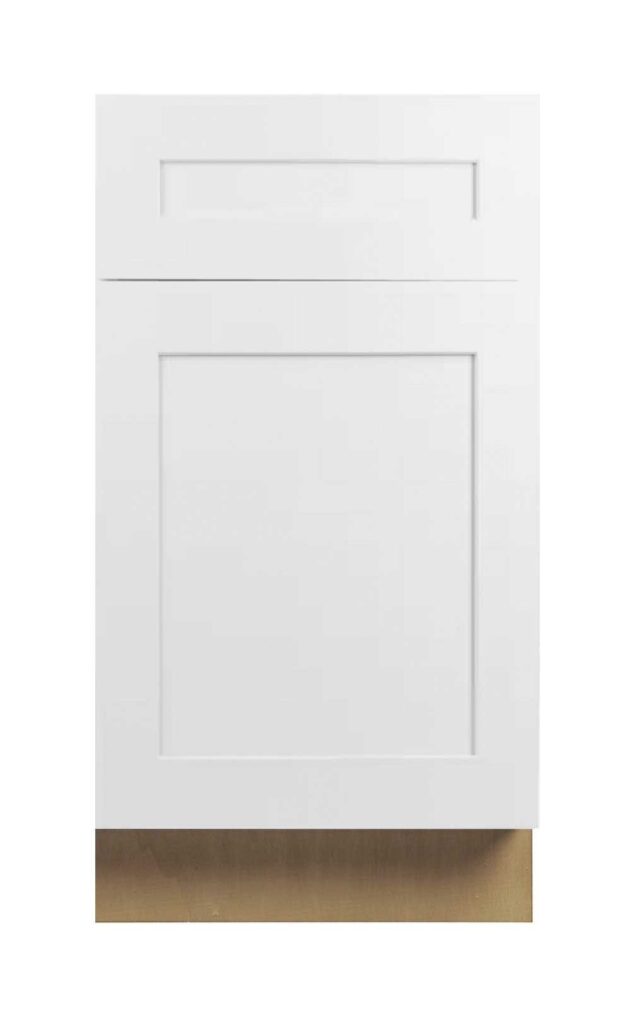
Full Overlay Cabinets
With full overlay cabinetry, doors and drawers cover nearly the entire face frame, leaving minimal visible framing. This creates a clean, tailored look that feels modern, seamless, and architecturally refined. Full overlay cabinets are especially popular in contemporary kitchen design, organic modern kitchens, and virtual design projects where clean lines photograph beautifully.
Partial Overlay Cabinets
Partial overlay cabinets leave more of the cabinet frame exposed, creating additional negative space between doors and drawers. This style leans more traditional and can feel warmer or more classic, depending on finishes and hardware choices.
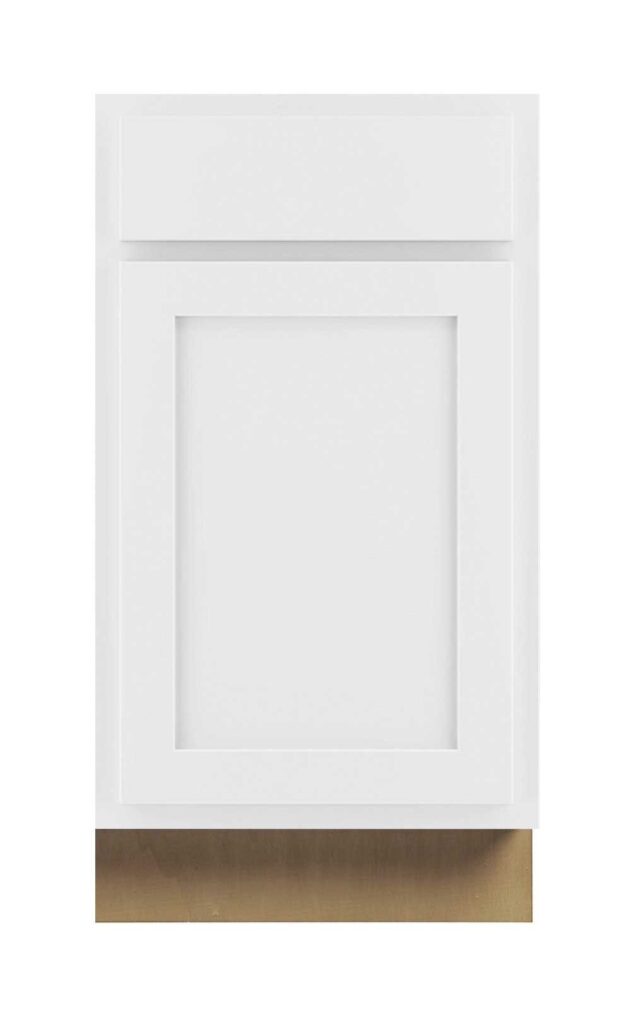

Frameless / European-Style Cabinets
Often associated with European kitchen design, frameless cabinetry eliminates the face frame altogether. Doors attach directly to the cabinet box, resulting in a sleek, ultra-modern aesthetic. This style is popular in minimalist interiors, modern condos, and contemporary virtual kitchen design projects where maximizing interior storage is a priority.
Pros of Overlay Cabinets
Overlay cabinets are a favorite among interior designers for both full renovations and virtual design services because of their flexibility and performance. They are generally more budget-friendly than inset cabinets, making them ideal for cost-conscious kitchen remodels without sacrificing style. Overlay cabinetry maximizes interior storage space since doors do not intrude into the cabinet opening, which is especially valuable in smaller kitchens.
Installation and adjustment are typically easier, reducing labor costs and lead times. Overlay cabinets are available in a wide range of finishes, door styles, and architectural profiles, making them suitable for organic modern, coastal, transitional, contemporary, and traditional kitchens alike. They also conceal wear and tear more effectively, which makes them a practical choice for busy households and long-term living.
Cons of Overlay Cabinets
Because overlay doors sit proud of the cabinet frame, they are not flush in the way inset cabinets are. Without thoughtful proportions, hardware selection, and spacing, overlay cabinets can feel dated or builder-grade. They also do not inherently deliver the furniture-like craftsmanship associated with custom inset cabinetry unless designed with intention and high-quality materials.

What Is Inset Cabinetry?
Inset cabinetry is designed so that doors and drawers sit flush inside the cabinet frame. This style mimics historic furniture craftsmanship and requires precise construction and installation. Inset cabinets are architectural, detailed, and often associated with luxury kitchen design and custom interior design projects.
This cabinet style works beautifully in classic kitchens, traditional homes, and European-inspired interiors where craftsmanship and symmetry are key design elements.
Pros of Inset Cabinets
Inset cabinets offer a high-end, furniture-quality appearance that many homeowners associate with luxury interior design. The clean, flush lines create a tailored and timeless look that feels intentional and refined. Inset cabinetry often contributes to a higher perceived value and can positively impact resale appeal, especially in historic or architecturally significant homes.
This cabinet style pairs well with classic hardware, natural stone countertops, and layered millwork, making it ideal for traditional, transitional, and European-style kitchens.
Cons of Inset Cabinets
Inset cabinets are significantly more expensive than overlay cabinets due to the level of craftsmanship and precision required. They offer slightly less interior storage because the doors sit inside the frame, reducing usable width. Seasonal wood expansion and contraction can require periodic adjustments, especially in coastal or humid climates.
Lead times for inset cabinetry are often longer, and the flush design tends to show wear, chips, and dings more easily over time. From a stylistic standpoint, inset cabinets lean more traditional and may not suit ultra-modern or minimalist kitchen designs.
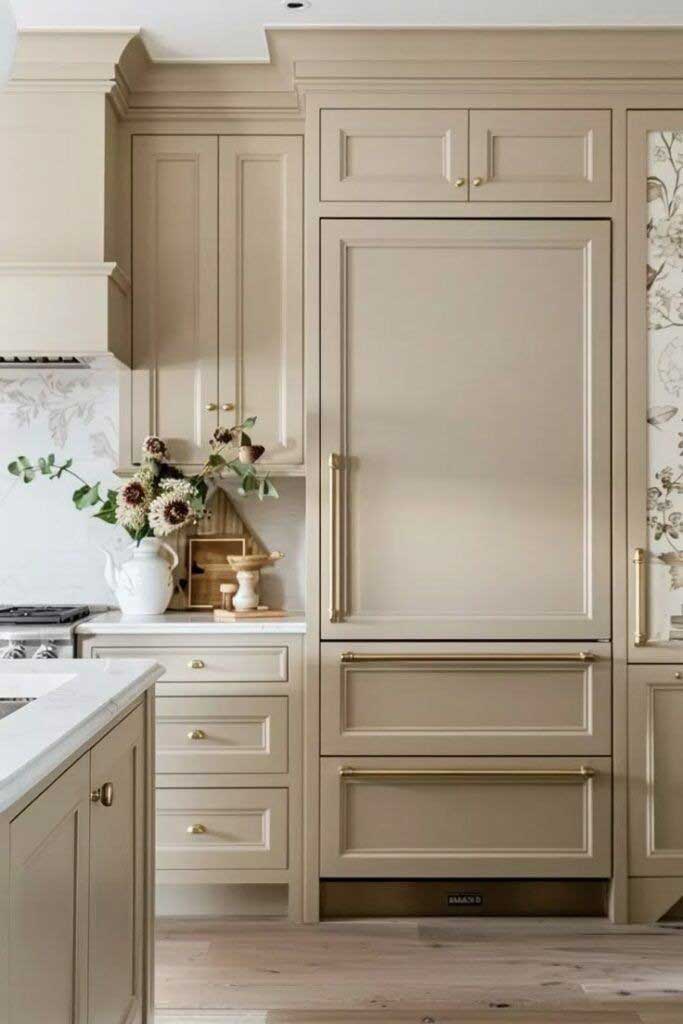
Overlay vs. Inset Cabinets: Which Should You Choose?
Choosing between overlay and inset cabinetry depends on your priorities, lifestyle, and overall design vision.
Choose Overlay Cabinets If:
You want to maximize kitchen storage, need a cost-effective cabinet solution, and value durability and long-term functionality. Overlay cabinets are ideal if you want flexibility in style, whether your kitchen leans organic modern, coastal, contemporary, or transitional. They are also an excellent choice for virtual kitchen design services, where clean lines and adaptability matter.
Choose Inset Cabinets If:
You love a classic, bespoke, furniture-like look and have the budget for custom craftsmanship. Inset cabinetry works best in traditional, historic, or European-inspired homes where architectural detail is a priority and storage efficiency is less of a concern.
No matter which cabinet style you choose, both overlay and inset cabinets can be beautiful, timeless, and highly functional when paired with thoughtful interior design decisions.
My Personal Preference as a Kitchen Designer
If I had to choose, overlay cabinetry wins about 75% of the time. From an interior designer’s perspective, overlay cabinets are practical, timeless, and cost-effective. When designed intentionally—with proper spacing, quality materials, and refined hardware—they feel elevated and architectural rather than basic.
Many clients initially request inset cabinetry because of its prestige and reputation in luxury kitchen design. However, a well-designed overlay kitchen can achieve an equally sophisticated result while offering better storage, durability, and value.
If you’d like professional guidance selecting the right cabinet style for your kitchen renovation, we offer comprehensive design services including full-service interior design, virtual design services nationwide, and specialized kitchen and bath design support.
FAQ: Overlay vs. Inset Kitchen Cabinets
Are overlay cabinets outdated?
Not at all. Full overlay cabinets are clean, modern, and extremely versatile. They remain one of the most popular choices in contemporary and transitional kitchen design.
Are inset cabinets worth the extra cost?
If your budget allows and your home leans traditional or historic, inset cabinetry can be worth the investment. That said, thoughtfully designed overlay cabinets can achieve an equally elevated look at a lower cost.
Do inset cabinets reduce storage space?
Yes, slightly. Because the doors sit inside the frame, usable cabinet width is reduced, and the exposed face frame is more vulnerable to wear.
Can I mix inset and overlay in the same kitchen?
Mixing them in one room is not recommended, as it disrupts visual cohesion. However, using different cabinet styles in separate spaces within the same home can work beautifully.
Can I replace just my cabinet doors?
Yes. Replacing cabinet doors is one of the most budget-friendly ways to update a kitchen without a full renovation and works well with overlay cabinet systems.
Final Thoughts
Whether you’re drawn to the tailored, built-in feel of inset cabinetry or the versatile, functional appeal of overlay cabinets, both styles can elevate your kitchen when designed with intention. The best choice is the one that aligns with your lifestyle, budget, and how you want your kitchen to function for years to come.
If you’re planning a kitchen renovation and want expert guidance on cabinet styles, finishes, layouts, and storage solutions—either in person or through virtual interior design—we’d love to help.
Get in Touch
Start Your Project


